EXCLUSIVE CONTENT
Join our mailing list for Real Estate News, Events, Insights & Resources.


Logistics has become the linchpin of business success in an increasingly digital and globalized world. In this landscape, the term "fulfillment" has emerged as a comprehensive solution that extends beyond simple product delivery. It is a strategy that contributes to customer satisfaction, operational efficiency, and effective supply chain management for businesses.
The term "fulfillment" refers to the process of executing all necessary activities to complete an order and deliver the requested products or services to the end customer. This process encompasses everything from order receipt to customer delivery and may include activities such as inventory management, picking and packing, labeling, shipping, billing, as well as tracking deliveries and returns. The goal of fulfillment is to ensure that products or services reach customers at the right time and place, in the desired condition, and in accordance with customer expectations.
How does fulfillment work? It all begins at strategically located distribution centers, serving as the core of this operation. Here, products arrive from various suppliers to be efficiently stored, leveraging automation technology and advanced inventory management systems. When a customer places an order, the operation begins: products are collected, verified, and prepared for precise and agile shipping. Packaging is crucial to ensure product protection during their journey to the final destination. Finally, products are delivered to the customer, meeting agreed-upon delivery timelines. Additionally, there is an efficient return process to maintain customer satisfaction when necessary.
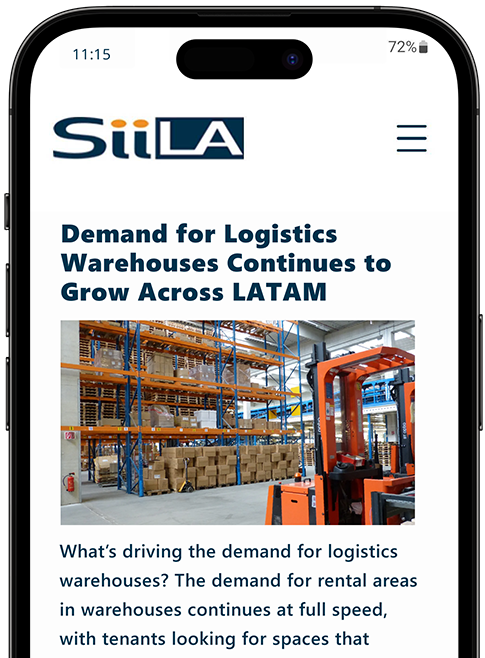
Fulfillment has not only transformed how companies manage their logistics but has also driven the demand for logistics spaces, such as warehouses and distribution centers. The increasing adoption of this strategy by e-commerce companies has fueled the development of real estate projects focused on logistics, creating investment opportunities and stimulating growth in the real estate market.
According to SiiLA, between Q3 2020 and 2023, the gross leasable area (GLA) occupied by companies in the transportation and logistics sector within industrial properties increased by 46% in Brazil. This growth in the industrial sector is primarily due to the surge in online sales and the growing importance of logistics in the supply chain. Companies need strategically located distribution centers to quickly and efficiently reach their customers, leading to increased demand for logistics spaces near urban centers and high-consumption regions.
Furthermore, fulfillment has driven the adoption of advanced technologies in the industrial real estate sector, such as warehouse automation and intelligent inventory management systems, to meet efficiency and delivery speed demands. This has created opportunities for technology and construction companies offering innovative solutions for designing and developing cutting-edge logistics facilities.
Proper implementation of fulfillment provides key advantages for companies, including cost reduction through resource optimization and automation, improved customer experience through shorter delivery times and greater order accuracy, increased supply chain agility to respond to demand fluctuations, and the ability to expand operations into new markets, thereby driving business growth.
In Brazil, major e-commerce players offer fulfillment services to sellers, such as Amazon, Mercado Livre, and logistics companies like DHL. Amazon's Fulfillment by Amazon (FBA) program, available in the country since late 2020, allows platform sellers to send products to the company's distribution centers, which then takes responsibility for fulfilling delivery and post-sales steps. The service has been active in the US since 2006, providing sellers with Prime platform delivery at no shipping cost to subscribers.
Similarly, DHL offers the DHL Fulfillment service for businesses, and Mercado Livre caters to both large partners like Carrefour and small to medium-sized enterprises through its Fulfillment service (Full), which stores, prepares, and ships products to buyers with a 24/7 active operation.
Therefore, fulfillment is much more than a checklist of logistical tasks. It is a comprehensive strategy that propels business success by enhancing customer satisfaction, optimizing costs, and transforming the supply chain. Its impact extends beyond logistics operations, influencing the real estate market and opening new prospects for development and growth in today's economy.





Join our mailing list for Real Estate News, Events, Insights & Resources.