EXCLUSIVE CONTENT
Join our mailing list for Real Estate News, Events, Insights & Resources.


The year 2024 was marked by significant movements in the real estate market, with stories and investigations uncovering controversies, challenges, and structural changes in the sector.
From tenant relocations to the FII market, these stories not only captured the most striking moments of 2024 but also served as a thermometer for the transformations shaping the real estate market.
Here are the ten most-read and discussed stories of the year on REsource:
1. More buildings for Faria Lima? New CEPACs bring optimism to the market
In August, we discussed the new CEPACs (Certificates of Additional Construction Potential) that may benefit projects in Faria Lima. Law No. 18,175, enacted in July 2024, paves the way for larger-scale developments in the region, allowing the acquisition of 250,000 m² in CEPACs.
The allocation will focus on areas like Pinheiros and Faria Lima, targeting corporate, residential, and mixed-use buildings. Part of the funds raised will be directed to social projects, with 35% invested in affordable housing.
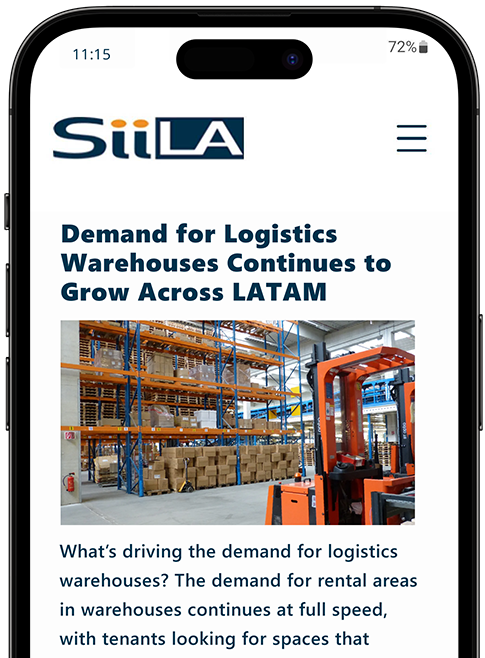
2. Logistics market remains strong with reduced vacancy rates
The declining vacancy rates in industrial properties have been one of the clearest indicators of a robust market across Brazil. Quarter after quarter, occupancy rates increased despite the delivery of new developments throughout the year.
3. FII downturn raises concerns and investment opportunities
One of the year’s most recent articles has already stood out. In an interview with Maria Fernanda Violatti, we discussed how Brazil's FII market faced challenges due to rising interest rates.
The report highlights that despite devaluations, dividends and net asset values show growth. Logistics properties, shopping malls, and office FIIs still offer attractive dividends, while the occupancy rates of industrial properties and shopping mall sales reflect a consumer recovery.
4. A handful of players: São Paulo’s largest corporate property owners
In São Paulo, 10% of corporate real estate is controlled by just three major players: Brookfield Properties, PREVI (Banco do Brasil Employees’ Pension Fund), and Itaú.
Together, these entities own nearly 1 million square meters of office space, representing a significant portion of the city's corporate real estate market. Brookfield leads, followed by PREVI and Itaú.
5. The WeWork saga
The WeWork crisis was one of the most talked-about topics in 2024. With massive debts and rent arrears, the company faced eviction orders, potentially impacting São Paulo’s vacancy rates and alarming property owners and FIIs.
Read the full article here:
6. The rise of the Multifamily market in Brazil
In 2024, the Multifamily property market gained prominence, solidifying itself as a growing trend in Brazil’s real estate sector. This segment, consisting of residential properties exclusively for rental, attracted attention from investors and developers throughout the year.
Increased demand for rental properties and the preferences of new consumers, who value flexibility, were among the factors driving the market's growth. Projects like entire rental buildings and professionalized management of these assets signal a new era for Brazil’s residential sector.
7. Absorption challenges in São Paulo’s Chucri Zaidan region
The Chucri Zaidan area in São Paulo highlighted one of the corporate real estate market’s main challenges in 2024: the absorption of new modern towers. With a substantial inventory of recently delivered buildings and high vacancy rates, the local market faces questions about how long it will take to balance supply and demand.
The article explored strategies that owners and investors should adopt to attract tenants in a competitive environment, emphasizing the technological and sustainable features of these buildings.
Read the full article here: New, Modern, and Empty Towers: How Long Will it Take to Absorb Chucri Zaidan's Stock?
8. E-commerce and consumer goods drive logistics growth
E-commerce operations and the growth of the consumer goods sector were the main drivers of logistics property occupancy in 2024.
9. The cost-effectiveness of occupying a logistics park inside Latin America’s largest airport
Occupancy at a logistics park within Latin America’s largest airport was one of the most debated topics of 2024. Despite occupancy costs being up to three times higher than traditional parks, companies view proximity to the airport as a strategic advantage, especially for operations requiring agility and logistical efficiency.
10. Fonseca’s Tower: A “white elephant” in Vila Olímpia
Abandoned and with no clear prospects for revitalization, Fonseca’s Tower has become a symbol of wasted potential in Vila Olímpia, one of São Paulo’s most valuable areas.
The article delves into the issues that led to the property’s abandonment and the challenges for its revival, raising questions about urban planning and the use of spaces in prime areas.





Join our mailing list for Real Estate News, Events, Insights & Resources.